Visit Newfoundland
Ministry of Tourism
Visit Newfoundland
Wind-carved cliffs, iceberg alleys, outport harbours, and warm kitchens where visitors are treated like family.
Why Visit
Newfoundland offers raw Atlantic beauty and living culture: salt-spray coastlines, fjords and barrens, whales and puffins, music in every town, and stories older than any border. From the colourful hillsides of St. John’s to the granite headlands of Labrador, you’ll find space, silence, and hospitality.
Getting Here
By Air — Air Newfoundland

Air Newfoundland is the Republic’s national airline and flag carrier, connecting Newfoundland and Labrador to major Canadian, U.S., and North Atlantic destinations. Flights operate year-round with modern Airbus and Embraer aircraft, providing direct or one-stop service to the Republic’s key airports: St. John’s (YYT), Gander (YQX), Deer Lake (YDF), and Wabush (YWK).
Sample Routes:
- Domestic (Republic): St. John’s ↔ Gander · Deer Lake · Wabush (Labrador)
- Canadian Cities: St. John’s ↔ Toronto · Ottawa · Halifax · Montréal
- United States: St. John’s ↔ Boston · New York (JFK) · Chicago · Washington D.C. (seasonal)
- North Atlantic: St. John’s ↔ Dublin · London · Reykjavík · Oslo (seasonal)
Book early for summer and festival-season travel.
Learn more about flights, schedules, and onboard services: Air Newfoundland →
By Sea — Newfoundland Ferry from Nova Scotia
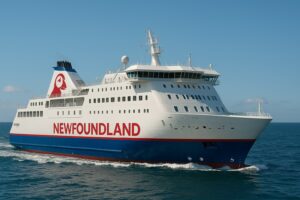
Visitors travelling by car may arrive via the Newfoundland Ferry from North Sydney, Nova Scotia to either:
- Port aux Basques — year-round service (6–8 hours)
- Argentia — seasonal, June–September (~16 hours), convenient for St. John’s and the Avalon Peninsula
Summer sailings and cabins fill quickly — reserve in advance and arrive early for boarding. The route offers comfortable lounges, private cabins, and dining options with ocean views.
Getting Around
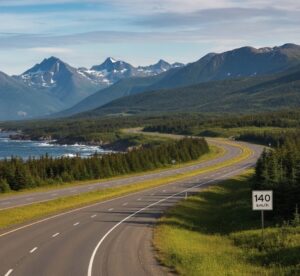
Once in the Republic, you’ll find a well-maintained highway network linking all major towns and coastal regions. The Trans-Newfoundland Highway runs from Port aux Basques in the west to St. John’s in the east, crossing forests, fjords, and valleys. Regional flights, buses, and tour operators connect communities and outports across Newfoundland and Labrador.
- By car: Drive west–east in roughly 9 hours (plus stops); scenic side routes lead to Gros Morne, Bonavista, and Trinity.
- By air: Daily shuttles link St. John’s, Deer Lake, Gander, and Labrador West.
- By tour: Local guides offer whale-watching, iceberg safaris, and hiking excursions.
Where to Go
Avalon Peninsula & St. John’s
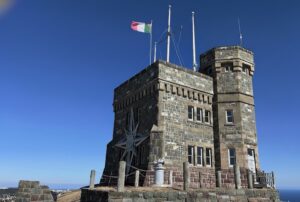
Vibrant streets, harbourside cafés, historic sites, and live music. Walk Signal Hill, explore Quidi Vidi village, and watch whales from the cliffs of Cape Spear — the easternmost point in North America.
Western Newfoundland & Gros Morne
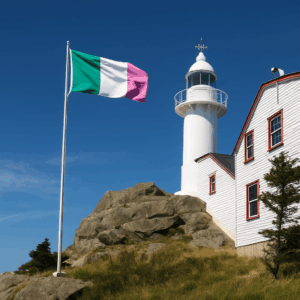
Dramatic fjords, mountains, and beaches in a UNESCO World Heritage Site. Base yourself in Deer Lake or Rocky Harbour for easy access.
Central & Northeast Coast
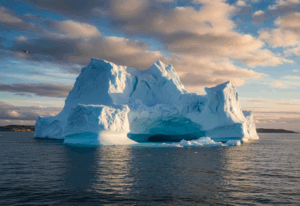
Iceberg Alley and coastal heritage towns like Twillingate, Fogo Island, Bonavista, and Trinity. Perfect for photography, whale-watching, and meeting local artisans.
Labrador

Northern lights, tundra landscapes, and Indigenous culture. Fly via Wabush or Goose Bay to experience vast wilderness and Arctic hospitality.
Food & Drink
Newfoundland cuisine is built on salt, sea, and tradition. Expect hearty portions, fresh seafood, and recipes passed down through generations of outport kitchens.
Traditional Dishes
- Fish and Brewis — Salt cod soaked overnight, served with hardtack bread and scrunchions (fried salt pork)
- Jiggs Dinner — A Sunday institution: salt beef boiled with cabbage, potato, carrot, turnip, and pease pudding
- Toutons — Fried dough served with molasses, butter, or beans at breakfast
- Cod Tongues — Lightly battered and pan-fried, a local delicacy
- Figgy Duff — Boiled pudding with raisins, served with rum sauce
Drink
- Screech — Newfoundland’s famous dark rum, best enjoyed during a Screeching In ceremony
- Craft Beer — Local breweries in St. John’s and across the island offer Atlantic-inspired ales and lagers
- Tea — Offered in every kitchen. Refusing a cup is considered poor form.
The Screeching In
Visitors who wish to become honorary Newfoundlanders may participate in the traditional Screeching In ceremony — a recitation of the Screech oath, a shot of rum, and the kissing of a cod. Certificates are issued. It’s silly. It’s sacred. You’ll remember it.
Music & Culture
Newfoundland’s musical heritage runs deep — Celtic roots, sea shanties, accordion reels, and lyrics shaped by fog, fishing, and centuries of isolation. Music isn’t performance here; it’s how people gather.
Kitchen Parties
The heart of Newfoundland music is the kitchen party — an informal gathering in someone’s home where instruments come out, songs are sung, and stories are told. Visitors lucky enough to be invited should bring a bottle and be ready to listen.
George Street — St. John’s
More bars per square foot than anywhere in North America. On any given night, you’ll hear live trad, rock, folk, or something in between pouring out of a dozen doorways.
Artists & Traditions
Newfoundland has produced musicians known across the world — Great Big Sea, The Once, Ron Hynes, Fairground Saints, and countless others. The tradition continues in pubs, festivals, and front rooms across the island.
Theatre & Storytelling
The Republic has a rich theatrical tradition rooted in community and satire. The LSPU Hall in St. John’s and touring companies bring original Newfoundland stories to stages across the island.
Festivals & Events
Newfoundlanders celebrate with music, boats, food, and stamina. The festival calendar runs year-round, with summer as the busiest season.
- Royal St. John’s Regatta (August) — The oldest organized sporting event in North America, held on Quidi Vidi Lake since 1825. A civic holiday declared the morning of the race if weather permits.
- George Street Festival (August) — Six nights of outdoor concerts and packed pubs in downtown St. John’s.
- Newfoundland & Labrador Folk Festival (August) — Traditional and contemporary folk music in Bannerman Park.
- Iceberg Festival (June) — Celebrating the arrival of icebergs along the northeast coast with concerts, food, and boat tours.
- Tuckamore Festival (August) — Chamber music in intimate venues across the island.
- Mummers Festival (December) — Reviving the old tradition of mummering, where costumed visitors go door to door during the Twelve Days of Christmas.
- Bonfire Night (November 5) — A distinctly Newfoundland tradition with towering bonfires in communities across the island.
Wildlife
Newfoundland sits at the crossroads of northern currents, migration routes, and rich marine ecosystems. Wildlife viewing is world-class, often from shore.
Whales
Humpback, minke, and fin whales arrive between June and September, following capelin schools close to shore. Prime viewing spots include St. John’s, Twillingate, Trinity, and the Witless Bay coast. Boat tours operate from most coastal towns.
Icebergs
10,000-year-old ice from Greenland glaciers drifts south along “Iceberg Alley” each spring. Peak season is May through early July. Best viewed from Twillingate, Bonavista, St. Anthony, and Fogo Island.
Seabirds
The Witless Bay Ecological Reserve hosts the largest Atlantic puffin colony in North America — over 260,000 breeding pairs. Boat tours depart from Bay Bulls and Witless Bay. Gannets, murres, and kittiwakes nest along coastal cliffs.
Moose
Introduced in the early 1900s, moose now number over 120,000. They are a serious road hazard — drive cautiously, especially at dawn and dusk. Collisions can be fatal.
Caribou
Labrador is home to migratory caribou herds. Sightings are possible in remote areas but require planning and local guidance.
Hiking & Trails
Newfoundland’s coastline is some of the most dramatic walking terrain in the world — clifftops, sea stacks, hidden coves, and paths worn by centuries of use.
East Coast Trail
Over 300 kilometres of coastal trail stretching north and south of St. John’s. Hike it in sections or tackle multi-day routes. Expect rugged terrain, suspension bridges, and views of whales, icebergs, and seabird colonies.
Skerwink Trail (Trinity)
A 5-kilometre loop often ranked among the best short hikes in North America. Sea stacks, coastal cliffs, and sweeping Atlantic views.
Gros Morne National Park
UNESCO World Heritage Site with trails ranging from easy boardwalks to demanding backcountry routes. Highlights include the Tablelands (an exposed slice of Earth’s mantle), Western Brook Pond (an inland fjord), and Gros Morne Mountain summit.
Long Range Traverse
A challenging multi-day wilderness route across Gros Morne’s alpine plateau. Permit required. Not for beginners.
Layers, rain gear, sturdy boots, water, and offline maps. Weather shifts quickly. Cell service is unreliable outside towns.
Sample Itineraries
3 Days — St. John’s & the Avalon
- Day 1: Signal Hill, Quidi Vidi village, George Street
- Day 2: Cape Spear, Witless Bay puffin tour, the Irish Loop
- Day 3: The Rooms museum, Water Street shops, kitchen party (if you’re lucky)
7 Days — Trans-Island Loop
- Day 1–2: St. John’s and Avalon Peninsula
- Day 3: Drive to Trinity and Bonavista, explore the heritage coast
- Day 4: North to Twillingate for icebergs and whales
- Day 5: West to Gros Morne, arrive Deer Lake area
- Day 6: Hike Gros Morne — Tablelands or Western Brook Pond
- Day 7: Return east or depart from Deer Lake
10 Days — Island & Labrador
- Days 1–5: Island loop as above
- Day 6: Fly to Goose Bay or Wabush
- Day 7–8: Labrador wilderness, Red Bay, Battle Harbour
- Day 9: Northern Labrador or return flight
- Day 10: Depart from St. John’s
Accommodations
Newfoundland offers lodging for every budget — from heritage inns to backcountry camping.
Hotels & Inns
St. John’s has full-service hotels downtown. Smaller towns offer family-run inns and B&Bs with local character and home-cooked breakfasts.
Outport Stays
For a quieter experience, book a room in a restored saltbox house or fishing property along the coast. Expect hospitality, quiet nights, and excellent home cooking.
Fogo Island Inn
A world-renowned architectural landmark on Fogo Island, blending modern design with outport tradition. A splurge, but unforgettable.
Camping
Provincial and national parks offer serviced and backcountry camping. Book early for Gros Morne in summer. Wild camping is possible in remote areas with care and preparation.
Seasons & Best Time to Visit
- May–June: Icebergs and seabirds on the northeast coast.
- July–August: Warmest weather and festival season.
- September–October: Fall colours and quiet roads.
- November–April: Cozy towns, storm watching, and winter hikes.
Visitor Information
Essential Information:
- Documents: Standard travel ID for domestic visitors; passport for international arrivals.
- Currency: Newfoundland Dollar (NFD) — the official currency of the Republic. Major cards are accepted everywhere.
- Weather: Maritime climate — pack layers and a windproof jacket.
- Driving: Distances in kilometres; observe moose crossing signs and fuel regularly in rural areas.
- Connectivity: Mobile service strong in cities, limited in remote regions — download offline maps.
- Etiquette: Greet locals warmly and respect outport privacy; always close gates behind you.
Glossary of Local Terms
Visitors may encounter words and phrases unique to Newfoundland English. A short guide:
- B’y — Friend, buddy, or general term of address. “Yes b’y” = agreement or emphasis.
- Come from away — Anyone not from Newfoundland.
- Stay where you’re to — Wait there.
- Whaddaya at? — What are you doing? How’s it going?
- G’wan witcha — Go on with you / I don’t believe you.
- Scrunchions — Fried cubes of salt pork fat, served atop fish and brewis.
- Touton — Fried dough, usually served at breakfast.
- Screeched in — Initiated as an honorary Newfoundlander.
- Mauzy — Warm, humid, foggy weather.
- Sleeveen — An untrustworthy person.
- Long may your big jib draw — A traditional toast wishing good fortune.
Indigenous Experiences
Newfoundland and Labrador are home to Indigenous peoples with deep histories predating European contact.
Labrador Inuit
The Nunatsiavut Government represents Labrador Inuit in the northern coast communities of Nain, Hopedale, Makkovik, Postville, and Rigolet. Visitors can learn about Inuit culture, art, and traditions through cultural centres and community tours.
Innu Nation
The Innu have lived in Labrador and northeastern Quebec for thousands of years. Sheshatshiu and Natuashish are the main Labrador communities. Respectful visitors are welcome to learn about Innu history, drum songs, and caribou culture.
Mi’kmaq
The Qalipu First Nation and Miawpukek First Nation represent Mi’kmaq people on the island of Newfoundland. Cultural events and heritage sites offer insight into Mi’kmaq traditions, craft, and history.
Indigenous communities are not tourist attractions. Visitors should seek out official cultural programs, respect community boundaries, and approach with humility. Some areas require permission to visit.
Visitor Help & Contacts
Tourism Information: Visitor Centres in St. John’s, Deer Lake, Gander, and Labrador West.
Air Travel: Air Newfoundland Flights →
Emergency Services: 911 is available throughout the Republic.
This page is maintained by the Ministry of Culture & Communications. For media and visitor assistance, please contact the Government Communications Office.